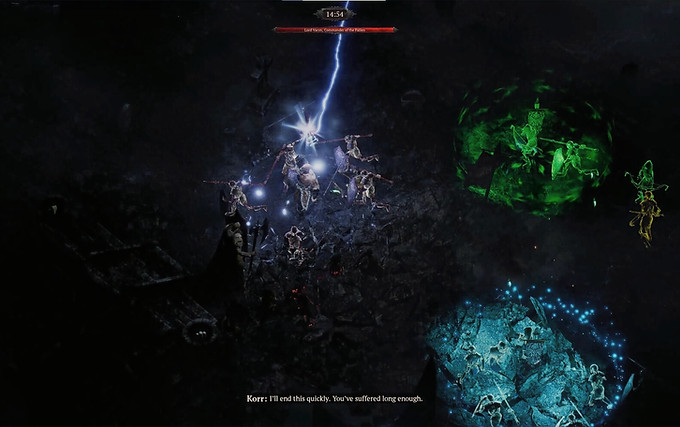
Shattered Realms | Work resume
Throughout the project, I was responsible for the design and balancing of core gameplay systems, ensuring combat, progression, economy, and reward structures worked cohesively to support an engaging player experience. My role focused on translating gameplay goals into scalable systems while maintaining balance, challenge, and pacing across different mechanics.
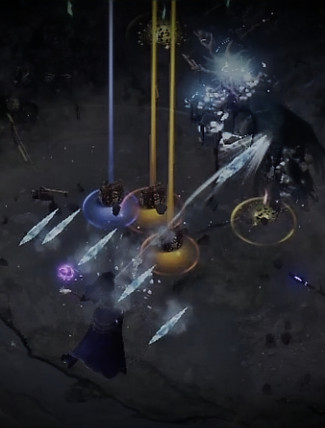
On the combat side, I designed and balanced abilities for both playable characters and enemies, defining damage, debuffs, attack cadence, range, and overall combat behavior. I also established character and enemy stats, progression systems, level-up scaling, enemy waves, spawn timing, and difficulty pacing to create a rewarding sense of progression while keeping gameplay consistently engaging.
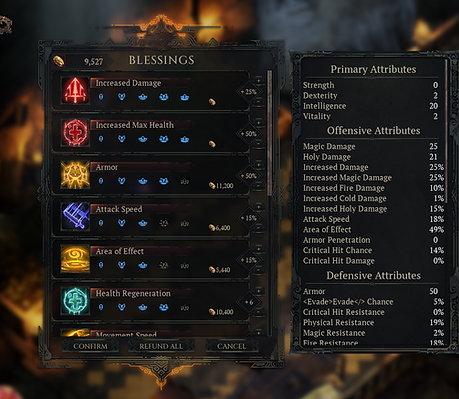
Beyond combat and progression, I designed the game economy, including itemization, rarities, pricing, drop logic, and loot systems to reinforce player motivation and replayability. I also contributed to in-run structures such as events, missions, and achievements, helping connect short-term objectives with long-term progression goals.
.png)
COMBAT DESIGN


-
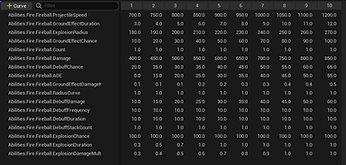
Attack Balancing: Defined and balanced damage output, attack speed, range, cooldowns, and hit effectiveness across playable characters and enemies to ensure fair and engaging combat interactions.
-
Ability Design: Structured offensive and defensive abilities, including debuffs, status effects, attack behaviors, and combat synergies to create distinct gameplay identities and strategic choices.
-
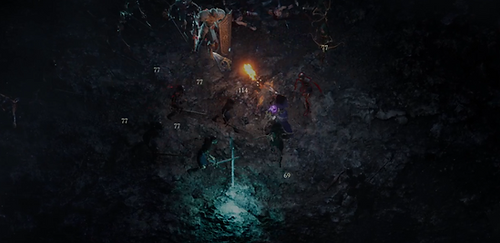
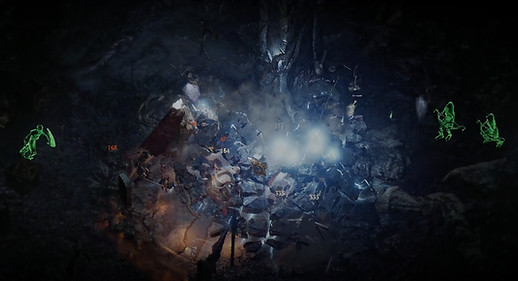
Combat Readability: Adjusted attack pacing, timing windows, and behavioral feedback to improve player understanding, responsiveness, and combat clarity.
-
Enemy Combat Tuning: Balanced enemy attack patterns, aggression levels, combat pressure, and encounter difficulty to maintain challenge without overwhelming players.
-
Difficulty Scaling: Iterated combat values across progression stages to ensure abilities, enemies, and player power evolved consistently throughout the experience.


CHARACTER & ENEMY STATS
-
Core Attributes: Defined player and enemy statistics such as health, damage, defense, movement-related values, and combat effectiveness to establish gameplay foundations.
-
Progression Scaling: Structured stat growth and balancing curves to support level progression and maintain challenge consistency over time.
-
Character Balance: Tuned playable characters individually to ensure unique strengths while preserving overall gameplay fairness and role clarity.
-
Enemy Scaling: Adjusted enemy stats and behavior according to progression milestones, encounter complexity, and intended gameplay pacing.
-
Power Curve: Controlled player growth and combat efficiency to avoid progression spikes or difficulty imbalances.

GAME ECONOMY
-
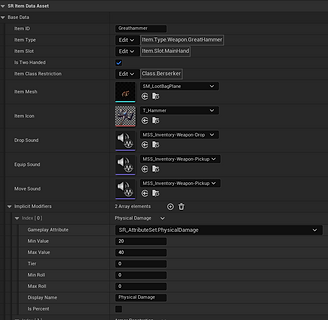
Itemization: Designed and balanced gameplay items, defining their functional purpose, value, and progression impact.
-
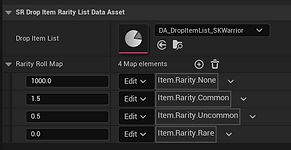
Rarity Structure: Established rarity tiers to support reward motivation, player progression, and long-term engagement.
-
Pricing Logic: Defined economic balance for item costs, rewards, and acquisition pacing to maintain meaningful player decision-making.
-
Resource Flow: Balanced resource gain and spending to avoid inflation, progression bottlenecks, or exploitative gameplay loops.
-
Economy Progression: Structured economic scaling to support pacing and reward consistency throughout the game experience.
LOOT SYSTEMS
-
Reward Loops: Designed progression-driven reward systems that reinforced player motivation and replayability.
-
Drop Logic: Defined loot probabilities, reward timing, rarity distribution, and progression consistency.
-
Reward Balancing: Tuned loot outcomes to ensure satisfying rewards without compromising challenge or progression pacing.
-
Progression Incentives: Structured rewards to encourage experimentation, long-term retention, and gameplay mastery.
-
Replayability Support: Designed systems that maintained player engagement through varied reward outcomes and progression paths.



WAVE PROGRESSION
-
Spawn Curve Design: Defined enemy spawn distribution across the 20-minute run, balancing quantity, intensity, and pacing to create a consistent difficulty curve.
-
Difficulty Scaling: Structured progression through enemy composition, spawn density, and combat pressure to maintain challenge consistency.
-
Enemy Distribution: Balanced common, uncommon, and rare enemy spawn probabilities to support encounter variety and progression pacing.
-
Wave Composition: Defined enemy archetypes across progression stages, ensuring combat evolved alongside player growth.
-
Progression Visualization: Created balancing graphs to map spawn rates, rarity chances, and overall difficulty progression for iteration and tuning.

RUN STRUCTURE
-
XP & Level Progression: Designed player progression curves by balancing XP requirements between levels, creating formulas to ensure a satisfying growth rhythm and long-term gameplay balance.
-
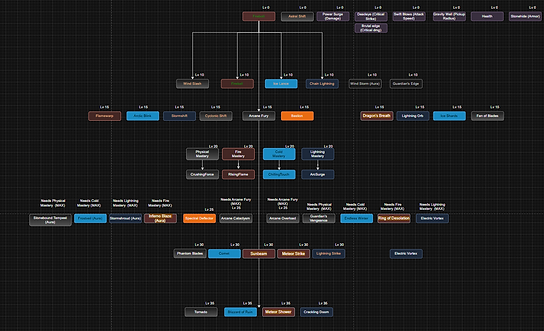
Skill Progression Flow: Defined how players acquired abilities during progression, structuring unlock opportunities and skill acquisition paths to maintain strategic decision-making and build diversity.
-
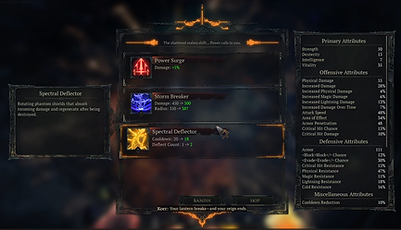
Level-Up Systems: Designed skill selection moments during level-ups, balancing upgrade options to encourage varied playstyles while maintaining progression consistency.
-
Progression Mapping: Developed progression tables, flowcharts, and systemic documentation to visualize run pacing, skill acquisition, spawn structure, and player growth throughout the experience.
EVENTS & GOALS
-
Mission Design: Created objectives and mission structures to guide player progression and reinforce gameplay variety.
-
Achievement Systems: Designed achievement goals to reward mastery, experimentation, and long-term engagement.
-
Progression Motivation: Implemented short-term and long-term objectives to sustain player retention and reward commitment.
-
Gameplay Variety: Structured events and goals to encourage different playstyles and strategic approaches.
-
Player Engagement: Balanced objectives to reinforce progression without interrupting gameplay flow.